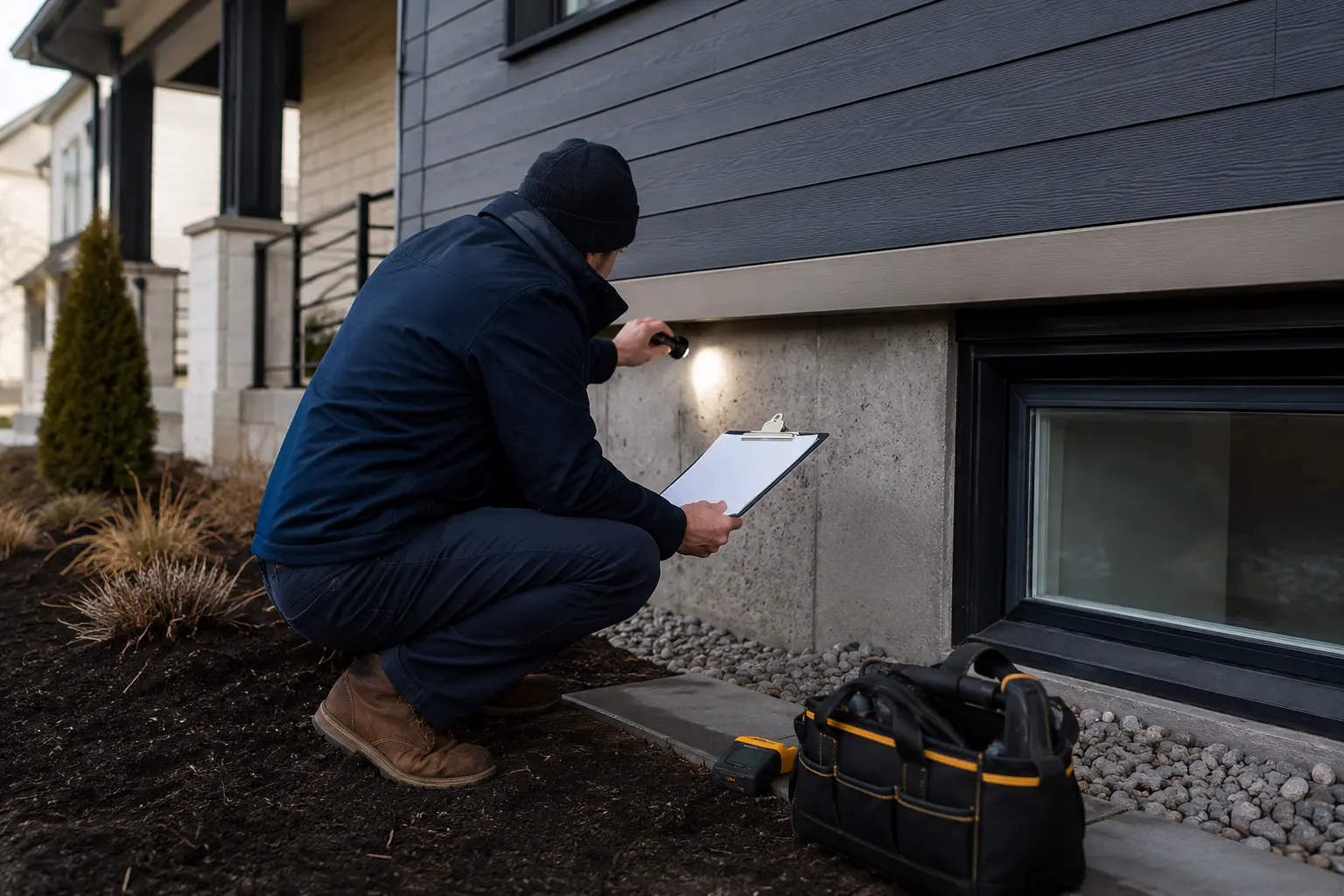
A pre-listing inspection is not necessary in every case. It may be useful when a seller wants to better understand the building, plan repairs and reduce surprises during the transaction.
Key takeaways
- The inspection may identify items requiring further review or attention before showings.
- Invoices, warranties, reports, permits and evidence of corrective work should be collected with the report.
- The home’s age, renovation history, known concerns and timeline influence the usefulness of a pre-listing inspection.
Understand condition before launch
The inspection may identify items requiring further review or attention before showings. With the appropriate professionals, the seller can then decide whether to repair, obtain expertise or document the situation.
OACIQ indicates that a pre-listing inspection can help establish the building’s condition and support more complete seller declarations. It does not replace the buyer’s own inspection.
Prepare documents and disclosures
Invoices, warranties, reports, permits and evidence of corrective work should be collected with the report. Structured information makes questions easier to answer and helps the parties understand completed work.
Transparency remains essential. A report should not be used to minimize an issue, but to better understand it and present relevant facts during the sale.
Decide based on the property and strategy
The home’s age, renovation history, known concerns and timeline influence the usefulness of a pre-listing inspection. In some cases, targeted expertise may be more relevant than a general inspection.
The decision should be made before photography and launch so repairs, documents, disclosures and pricing strategy tell a coherent story.